One Drag Three Manure Removal Machine: Complete Guide for Poultry & Livestock Farms
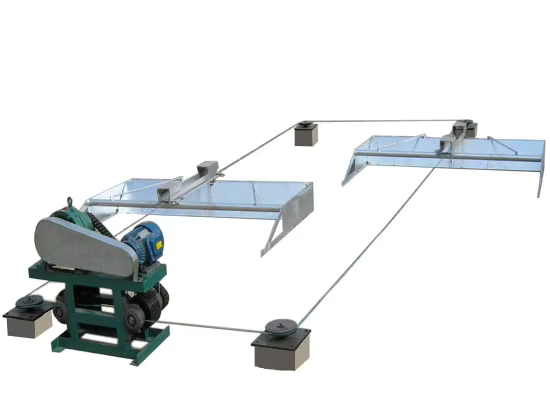
A one drag three manure removal machine is an automatic scraper system where a single drive unit simultaneously operates three scraper blades across three separate manure channels, delivering high-efficiency waste evacuation with minimal energy consumption. Designed for poultry houses, pig barns, and livestock sheds, this system uses a 3 kW three-phase motor connected to three customised scrapers via a system of corner wheels and traction ropes. The three scrapers work in a reciprocating motion—while two blades scrape manure forward, the third lifts and returns in the opposite direction—enabling continuous cleaning of multiple channels in one automated cycle. This guide covers the construction, working principle, key applications, advantages, and selection criteria for one drag three manure removal machines.
What Is a One Drag Three Manure Removal Machine?
The one drag three manure removal machine is a traction-type automatic cleaning system that allows a single motor and reduction gear unit to power three independent scraper blades across three parallel manure channels. Unlike single-scraper or two-scraper configurations, the one drag three model maximises cleaning coverage per drive unit, making it the most cost-effective solution for farms with three adjacent or closely spaced manure pits. The system is widely used in A-type and H-type layer cage houses, broiler houses, pig pens, and sheep sheds. With a cleaning efficiency of over 95% and a walking speed of 6–10 metres per minute, it ensures consistent waste removal without manual labour[reference:0].
Key Components of the One Drag Three System
A complete one drag three manure removal system consists of the following essential components:
- Drive unit (main engine): 3 kW three-phase motor with cycloidal or worm gear reducer, mounted on a base frame. The drive unit is the heart of the system, providing the traction force needed to pull all three scrapers[reference:1].
- Scraper blades: Three customised scraper plates, typically 208 cm × 93 cm × 23 cm (L×W×H), made from hot-dip galvanised steel or 304 stainless steel. Blade width is customised to match the manure channel width[reference:2].
- Corner wheels: Seven corner wheels (pulleys) that guide the traction rope around the ends of the manure channels. These nylon or steel wheels ensure smooth direction changes and even tension distribution[reference:3].
- Traction rope / chain: High-strength steel wire rope or stainless steel chain that connects the drive unit to the scraper blades and transmits the pulling force.
- Control cabinet: Electrical panel with timer, relays, and limit switches (行程开关) for automated operation. The system can be programmed to run at preset intervals[reference:4].
- Limit switches: Three switches installed at the end of each manure channel to automatically reverse the scraper direction and prevent over-travel.
- Tension spring: An automatic tensioning device that maintains proper rope tension and stops the motor if the rope becomes loose or the motor jams[reference:5].
Working Principle of the One Drag Three Scraper System
The working principle of the one drag three manure removal machine is elegantly simple yet highly effective. A single three-phase motor drives a reduction gear, which rotates a tension wheel. This tension wheel pulls a continuous loop of steel wire rope through seven corner wheels positioned at the ends of three parallel manure channels. Three scraper blades are attached to this rope loop—one in each channel[reference:6].
During operation, the system moves in a reciprocating cycle:
- Forward stroke: Two scraper blades engage the manure and push it forward along their respective channels toward the collection end. Simultaneously, the third scraper blade lifts off the ground and is pulled backward in the opposite direction, returning to its starting position.
- Reverse stroke: The limit switch triggers a direction reversal. The third scraper now engages and pushes manure forward, while the other two blades lift and return.
- Continuous cleaning: By alternating between forward and reverse strokes, all three channels are cleaned in one complete cycle, discharging manure to a collection pit or cross-conveyor at the end of the house.
This reciprocating design ensures that the system cleans all three channels continuously with a single drive unit, delivering significant energy savings compared to operating three separate scraper systems.
Applications Across Poultry and Livestock Farming
Layer and Breeder Houses (A-Type & H-Type Cages)
The one drag three manure removal machine is primarily designed for A-type and H-type layer cage systems with two to three rows of manure pits[reference:7]. In a typical layer house with three parallel manure channels running the length of the building, a single drive unit can serve all three channels, dramatically reducing equipment costs and energy consumption. The system is particularly effective in houses up to 120 metres long, with manure channels not exceeding 2 metres in width[reference:8].
Broiler Houses
In broiler operations where birds are raised on floor litter, the one drag three scraper system can be installed in the manure pits beneath elevated platforms or in houses using cage systems. The system efficiently handles the higher manure volume generated by broiler flocks, keeping the house environment dry and reducing ammonia levels.
Pig, Sheep, and Cattle Barns
Beyond poultry, the one drag three configuration is widely used in pig farms, particularly in gestation and farrowing houses with three parallel manure alleys. It is also suitable for sheep sheds, cattle barns, and rabbit houses where multiple manure channels run parallel to each other[reference:9]. The system’s heavy-duty construction and high traction force (28,000–32,000 N) make it capable of handling the denser manure produced by larger livestock.
Key Advantages of the One Drag Three Configuration
- Cost-effective operation: One drive unit powers three scraper blades, reducing capital investment by up to 60% compared to installing three separate systems.
- Energy efficient: A single 3 kW motor handles the workload of three channels, consuming significantly less electricity than three individual 1.5 kW or 2.2 kW units.
- Labour saving: Fully automated with timer control—no manual intervention required. The system can be programmed to clean 2–4 times daily, 365 days a year[reference:10].
- High cleaning efficiency: Wiper clean rate of ≥95%, ensuring manure is thoroughly removed from each channel[reference:11].
- Improved biosecurity: Daily manure removal reduces ammonia concentration, fly breeding, and pathogen build-up, creating a healthier environment for birds and workers.
- Durable construction: Hot-dip galvanised steel frame, 304 stainless steel scraper blades, and wear-resistant traction rope ensure 10+ years of service life[reference:12].
- Simple maintenance: Fewer moving parts than three separate systems; automatic tension adjustment and limit switches reduce the need for frequent manual checks.
- Space efficient: The single drive unit occupies minimal floor space, freeing up room for feed storage or other equipment.
How to Choose the Right One Drag Three Manure Removal Machine
Channel Configuration and Layout
The one drag three configuration requires three parallel manure channels of equal length. These channels can be arranged either directly adjacent to each other (separated by a wall) or spaced apart with a maximum distance of approximately 20 metres between the outermost channels[reference:13]. Before ordering, measure the exact width and length of each channel. Standard scraper blade width ranges from 1.5 m to 2.0 m, but custom sizes are available for larger channels[reference:14].
Motor Power and Traction Force
The one drag three system typically uses a 3 kW three-phase motor (380 V) with a maximum traction force of 28,000–32,000 N[reference:15]. For longer channels (over 100 metres) or heavier manure loads, consider a 4 kW motor or upgrading to a cycloidal reducer with a higher reduction ratio. The walking speed should be maintained at 6–10 m/min for optimal cleaning without splashing.
Material Selection – Galvanised Steel vs Stainless Steel
- Hot-dip galvanised steel: The most cost-effective option for standard poultry houses. Offers good corrosion resistance in dry manure environments. Service life: 8–12 years.
- 304 stainless steel: Recommended for high-humidity environments, coastal farms, or houses using wet manure systems. Superior corrosion resistance. Service life: 15–20 years[reference:16].
- Scraper blade edge: Choose blades with rubber or polyurethane wiper strips to improve cleaning efficiency and reduce noise during operation.
Automation and Control Features
Look for a control cabinet with programmable timer, manual/auto mode switch, and overload protection. Advanced models offer remote monitoring via smartphone or integration with farm management software. The system should also include safety features such as automatic stop on rope slack, motor jam protection, and audible alarm for abnormal conditions[reference:17].
Installation Requirements
The drive unit should be installed on a level concrete foundation at the end of the manure channels. The seven corner wheels must be precisely aligned to ensure smooth rope movement. The scraper blades should be positioned with a slight clearance (5–10 mm) from the channel floor to prevent jamming while maintaining scraping efficiency. Allow sufficient space for the rope loop and collection pit at the discharge end.
Need a customised one drag three manure removal system for your farm? Our engineering team offers free layout design and installation guidance — request a quote or browse our full range of scraper systems.
Frequently Asked Questions
What is the difference between one drag one, one drag two, and one drag three manure scrapers?
These terms indicate how many scraper blades are driven by a single motor unit. “One drag one” powers a single scraper in one channel. “One drag two” powers two scrapers in two channels, and “one drag three” powers three scrapers across three channels[reference:18]. The one drag three configuration offers the highest cleaning capacity per drive unit and is most cost-effective for farms with three parallel manure channels.
How many metres can a one drag three manure removal machine clean?
The recommended maximum channel length is 120 metres. For channels up to 100 metres, a standard 3 kW motor provides sufficient traction. For longer channels, a higher-power motor (4 kW) and heavier-duty rope may be required. The system’s walking speed of 6–10 m/min ensures thorough cleaning without overloading the motor[reference:19].
How do I install a one drag three manure scraper system?
Installation involves positioning the drive unit on a concrete foundation at one end of the manure channels, mounting seven corner wheels at calculated positions, routing the traction rope through all channels, and attaching the three scraper blades. A qualified technician should handle the electrical connections and limit switch calibration. Most suppliers provide detailed installation manuals and video guides.
Can the one drag three system be used for pig farms as well as poultry?
Yes, the one drag three manure removal machine is versatile and suitable for poultry, pigs, cattle, sheep, and rabbits. The scraper blade width and motor power can be customised for different animal types. For pig farms, the system is commonly used in gestation houses with three parallel manure alleys[reference:20].
How often should I run the manure removal machine?
For optimal hygiene, the system should be run 2–4 times daily, depending on flock size and manure volume. The timer in the control cabinet can be set to automatically start the system at pre-determined intervals. Running the scraper more frequently reduces ammonia build-up and fly breeding, but also increases wear on the rope and blades. A balanced schedule of 3 times per day is typical for most layer houses.
What maintenance does a one drag three manure removal machine require?
Regular maintenance includes checking rope tension weekly, inspecting scraper blade rubber strips for wear monthly, lubricating corner wheel bearings quarterly, and testing limit switches and emergency stop functions. The gear reducer oil should be changed every 12 months. Any worn or damaged rope should be replaced immediately to prevent system failure.
Related resources:
Ready to automate your manure removal? Contact our technical team for a free farm layout consultation and competitive pricing on one drag three systems.