What Real‑World Chicken Cage Buying Conversations Tell Poultry Farmers
Automatic | Durable | broiler | Easy to Install | Layer chicken
Every day, we talk with poultry farm owners, small‑scale backyard raisers and commercial farm managers from different countries. Their real‑life questions, worries and practical needs reveal what truly matters when purchasing chicken cages, far beyond catalog parameters and product brochures.
Many first‑time farm builders start with a simple thought: “I just need a set of chicken cages for my new chicken house.” But as we communicate further, more practical concerns come up.
A small‑scale farmer from East Africa once told us: “I don’t need the most fancy fully automatic system. My biggest headache is rust. Our air is humid, and replacement parts are hard to buy locally. I hope the cages can last as long as possible without frequent repairs.” This is a very typical demand for many small and medium overseas buyers. They care more about anti‑rust material, solid welding quality and easy‑to‑find spare parts, rather than high‑end automated functions they cannot fully utilize.
Some commercial farm operators raise different points.
One customer running a 30 000‑layer‑hen farm shared his pain point: “Labor wages keep going up. Previously our workers spent hours on feeding, manure cleaning and egg collection every day. We want cages that can work well with automatic machines, so we can cut down manual work and lower long‑term farm running costs.” For large‑scale producers, matching performance with automated supporting equipment becomes their top priority.
We also receive many questions about on‑site setup.
Quite a few buyers said: “We have purchased poultry equipment from overseas before. Parts arrived mixed together, and we had no clear assembly guide. Our local workers spent weeks trying to put everything together, which delayed our farming schedule.” Real‑world feedback shows complete assembly drawings and remote installation guidance are as valuable as the cage itself.
Budget is always a hot topic in our customer talks.
Some clients tend to choose the lowest‑priced option at first. After communication, most of them gradually understand the difference: cheap thin‑wire cages may save money at the beginning, yet they bend easily and rust quickly. Within a couple of years, farmers have to reinvest for new replacements. Spending reasonably on hot‑dip galvanized cages brings longer service life and fewer unexpected troubles.
Another frequently discussed topic is local raising rules.
Several European buyers mentioned: “Our local authorities have strict requirements for each hen’s living space. If cage sizes do not meet the standard, we cannot start farming operations.” Before placing orders, smart buyers will double‑check local welfare regulations to avoid compliance risks.
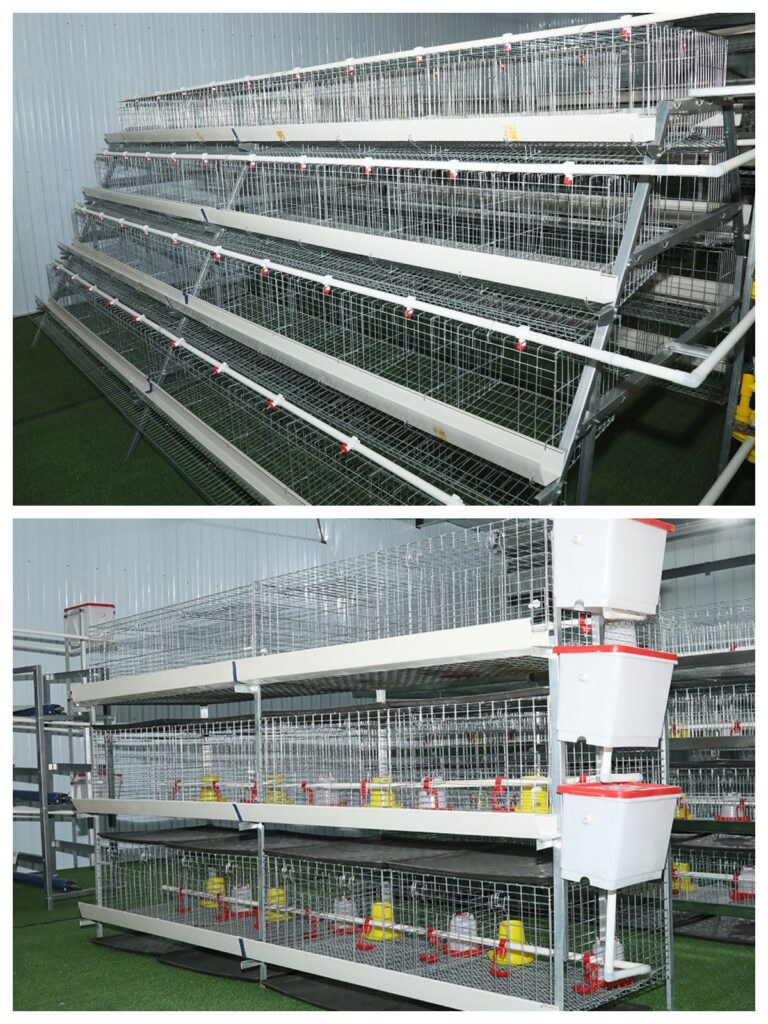
From these real customer conversations, we can sum up practical buying advice for anyone shopping for chicken cages:
Think about your local environment: humid coastal areas need high‑performance anti‑corrosion materials.
Assess your labor situation: pick manual, semi‑auto or full‑auto solutions based on local labor cost.
Confirm after‑sales support: make sure suppliers can offer assembly guides and accessible spare‑part supply.
Do not only chase low price; balance initial cost against multi‑year service performance.
Keep local farming regulations in mind to avoid non‑compliance issues.
The best chicken cage is not the most expensive one on the market. It is the one that fits your farm environment, budget and long‑term breeding goals. If you are planning to build or upgrade your poultry farm, feel free to share your real‑world farm situation, and we can work out suitable solutions together.
FAQ
Q1: Can I use broiler chicken cage to raise laying hens?
A: Not recommended. Broiler cages adopt flat bottom mesh without egg‑rolling slope. Eggs stay inside the cage and are easily trampled, broken or pecked by hens.
Q2: Can layer chicken cage be used for raising meat broilers?
A: Layer cage small compartments and narrow doors are not fit for fast‑growing heavy broilers. It is inconvenient for chicken catching and will increase injury rate.
Q3: What surface treatment should I choose for poultry cages?
A: Hot‑dip galvanizing is the preferred solution for commercial farms, providing good anti‑corrosion in high‑humidity poultry‑house environment.
Q4: Can I customize cage compartment size for my project?
A: Yes. Professional manufacturers support customized dimensions, tiers and accessory combinations for layer and broiler cages.
Q5: Which cage needs stronger bottom mesh, layer cage or broiler cage?
A: Broiler cage. Market‑age meat chickens have heavy body weight, so bottom mesh needs thicker wire to prevent deformation and leg damage.