🐔Layer Chicken Cage Complete Buying Guide for Commercial Egg Production
Automatic | layer chicken cage| poultry farm | Easy to Install
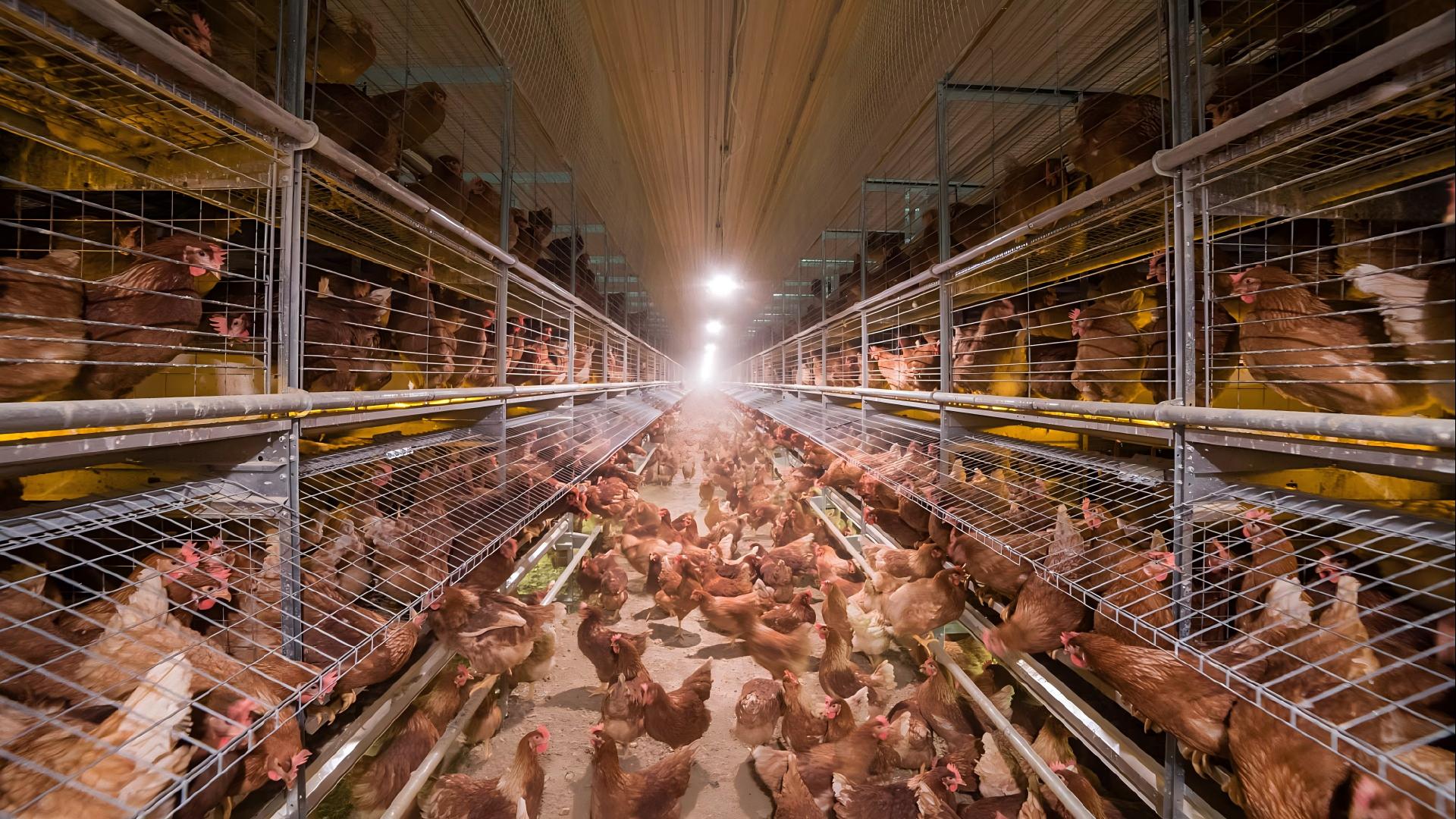
A layer chicken cage is the core housing system for modern commercial egg‑producing farms. Poultry operators worldwide often face common challenges: premature rusting under humid conditions, poorly‑designed cage space lowering egg output, high labor input for feeding and manure handling, and increased bird mortality caused by ineffective manure separation. Selecting unsuitable layer chicken cage brings recurring extra costs for equipment replacement and daily farm management. This buying guide introduces mainstream cage styles, key technical specifications, supporting accessories, practical selection steps, general maintenance advice and frequently‑asked questions. It helps farm owners and agricultural distributors select durable, cost‑effective layer chicken cage matching their poultry‑house layout and breeding requirements.
🐓Common Types of Layer Chicken Cage
A‑Type Layer Chicken Cage
A‑type layer chicken cage is widely used for small‑to‑medium‑scale egg farms. Two rows of cage units lean against each other to form an A‑shaped frame, mostly available in 3‑4 tiers.
Key technical parameters:
‑ Single cell dimension: 450 mm × 380 mm × 420 mm
‑ Stocking density: 3‑4 laying hens per cell
‑ Wire diameter: 2.0‑2.5 mm Q235 carbon steel
‑ Surface finish: hot‑dip galvanized
‑ Suitable farm scale: 1 000‑20 000 bird
H‑type Stacked Layer Chicken Cage
H‑type stacked layer chicken cage adopts vertical multi‑tier stacking structure, built for large‑intensive commercial poultry bases. It can cooperate with full‑set automatic feeding, nipple drinking, egg‑collection conveyor and manure‑removal belt systems.
Key technical parameters:
‑ Stack tiers: 4‑8 tiers optional
‑ Single cell dimension: 480 mm × 620 mm × 450 mm
‑ Stocking density: 4‑5 laying hens per cell
‑ Zinc coating weight: ≥275 g/m²
‑ Suitable farm scale: above 20 000 laying hens
Limitations: Higher upfront investment, requires sufficient poultry‑house height and stable power supply.
🥚 Critical Material & Technical Specifications
- Raw material: Q235 low‑carbon steel
- Surface treatment: Hot‑dip galvanizing, zinc coating ≥275 g/m²
- Wire diameter: 1.8‑3.0 mm; thicker wire applied for frame and manure‑leaking bottom mesh
- Working adaptability: Resist corrosion from chicken manure, adapt wide‑range temperature and humidity conditions
- Cage‑cell space: Minimum 450 cm² usable area per laying hen to reduce stress and feather pecking
- Safety detail: All welding spots and wire edges are polished without burrs to prevent injury to hens
📦Essential Supporting Accessories for Layer Chicken Cage
- Galvanized feeding trough: Anti‑corrosion, minimize feed waste and easy for residual feed cleaning.
- Nipple drinking water system: Deliver clean drinking water and reduce risks of water‑borne bacterial contamination.
- Sloped egg‑rolling slide: Allow eggs to roll out smoothly and effectively lower egg breakage rate.
- Manure‑leaking bottom mesh: Quickly separate manure from laying hens, keep cage interior dry and cut down disease risks.
- Reinforced support stand: Thick square‑tube frame ensures structural stability under multi‑layer stacking.
✅Core Advantages of High‑quality Layer Chicken Cage
- Long‑term anti‑corrosion performance:Properly maintained hot‑dip galvanized layer chicken cage delivers long service life and avoids frequent replacement caused by rust damage in humid breeding environments.
- Improved land utilization:Multi‑tier structural design increases breeding density. Farmers can raise more laying hens within limited poultry‑house space to boost total egg output.
- Lower poultry disease risk and mortality:Manure‑separation design keeps hens away from waste. Reasonable individual activity space relieves crowding, pecking behavior and cross‑infection among flocks.
- Significant labor‑saving effect:Automatic supporting facilities reduce heavy manual work on feeding, egg collection and manure cleaning, solving labor‑shortage troubles for many poultry farms.
- Convenient packaging, transportation and on‑site assembly:All cage components are split‑packed for easy shipping. Assembly only requires common hand tools and does not rely on specialized construction teams.
💡Step‑by‑Step Guide to Select Suitable Layer Chicken Cage
Step 1: Confirm flock size and poultry‑house conditions
‑ 5 000‑20 000 laying hens: Select A‑type 4‑tier cage equipped with semi‑automatic accessories.
‑ More than 20 000 laying hens: Adopt H‑type stacked cage with full automatic supporting systems.
Reminder: Measure the height, width and length of your poultry house before placing orders. H‑type cages demand higher ceiling clearance.
Step 2: Distinguish hot‑dip galvanizing versus electro‑galvanizing
Step 3: Verify single‑cage stocking space
Step 4: Choose manual or automatic configuration
Step 5: Confirm customization capacity
FAQ
Q1: What is the expected service life of hot‑dip galvanized layer chicken cage?
Q2: Should I choose A‑type or H‑type layer chicken cage?
Q3: Can layer chicken cage be customized to match my existing poultry house?
Q4: How many laying hens can one standard layer chicken cage cell hold?
Q5: Are supporting accessories included when ordering layer chicken cage?
Whether you are a poultry farm operator or agricultural‑equipment wholesaler worldwide, high‑quality hot‑dip galvanized layer chicken cage helps stabilize egg production and reduce long‑term operating costs. If you require detailed quotations and technical specifications for layer chicken cage, share your flock quantity and poultry‑house dimensions with our sales team for one‑stop poultry‑breeding‑equipment solutions.